Brand Phishing
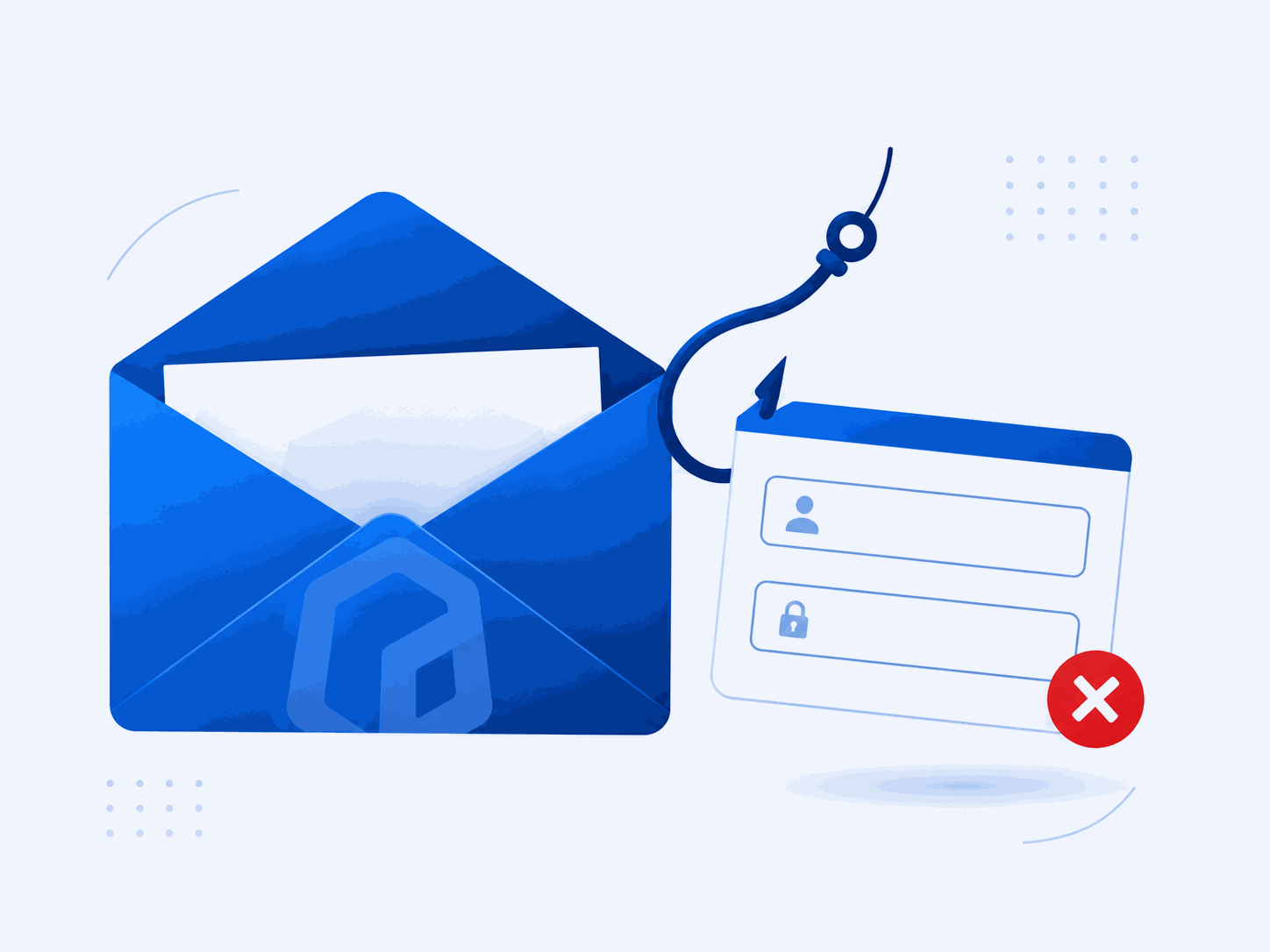
Brand phishing is a scam that impersonates a real, trusted brand in an email, text message or fake login page to trick a customer into handing over credentials, payment details or personal data. Unlike a phishing domain, which is the fake website itself, brand phishing describes the whole con: the spoofed sender name, the copied logo and layout, and the urgent message designed to make someone click before they think.
Why it matters
Brand phishing works because it borrows trust the real brand spent years building. A customer who gets an email that looks exactly like a shipping notice or account alert has no easy way to tell it apart from the genuine one, so the damage lands on the brand’s reputation even though the brand didn’t send it. AI has made this worse: in a 2025 analysis of phishing emails, KnowBe4’s Phishing Threat Trends Report found 82.6% showed signs of AI generation, and AI-written phishing emails saw a 54% click-through rate compared with 12% for traditional human-written ones. Better grammar and more convincing personalisation mean brand phishing is now harder for the average customer to spot on sight.
How it works
- Spoofed sender identity — the email or SMS sender name is set to match the brand exactly, sometimes from a domain built to look like the real one.
- Copied visual identity — logo, colours and layout are lifted directly from the brand’s real site or past communications.
- Urgency or reward — the message pushes a deadline (account suspension, failed delivery) or an incentive (a discount, a refund) to short-circuit careful reading.
- A fake destination — the link leads to a lookalike login page or checkout page that captures whatever the customer enters.
In practice
A common pattern seen across marketplaces and D2C brands: a customer receives an SMS claiming a delivery failed and asking them to “reconfirm” their address and card details through a link. The page that opens is a near-exact copy of the brand’s real checkout, hosted on a domain one character off from the real one. The customer enters their card, and the brand only finds out once complaints start arriving about charges no one at the company made.
How Truviss helps
Brand phishing usually starts with a domain built to impersonate the brand, which is exactly what Truviss’s Domain Scanner is built to catch, continuously watching for lookalike and typosquatted domains before they reach a customer’s inbox, and filing takedowns once one is confirmed.
Related terms
No. A phishing domain is the fake website itself. Brand phishing is the wider scam, which can use email, SMS or social media as the delivery method, with a phishing domain as just one possible destination.
A brand cannot block every email sent by a scammer, but it can find and take down the domains and landing pages those emails point to, cutting off the scam’s destination before it collects data from customers.
AI tools let scammers write cleaner, more personalised messages at scale and remove the spelling and grammar mistakes that used to be an easy tell, so visual and domain-level detection matter more than ever.