Book a demo to see how Truviss detects brand impersonation across ads, domains and marketplace listings in one dashboard.
Book a demo
- 2026’s wave of fake GLP-1 ads isn’t just a consumer-fraud story: every fake ad, storefront and listing runs under a real healthcare brand’s name without permission.
- The scam network spans three surfaces that reinforce each other: AI-generated deepfake ads, lookalike storefront domains, and counterfeit marketplace listings.
- Manual review can’t keep pace once AI-generated ad variants scale, and regulators are increasingly treating this as a counterfeit supply-chain issue, not just a consumer-warning one.
- Catching the full pattern needs detection across all three surfaces at once: the ad, the domain and the listing, not just one of them.
Weight-loss drug scams made headlines across 2026 for the money and health harm they caused: fake AI-generated ads, fake online pharmacies, and counterfeit pens sold under real brand names. The Better Business Bureau logged more than 170 complaints tied to a single AI-generated video, one purporting to show Oprah Winfrey endorsing a “pink salt” weight-loss drink, with victims reporting losses of $300 and more. Every one of those stories gets told as a consumer-fraud warning: watch the red flags, verify the seller, don’t pay with crypto or gift cards.
What gets missed in that framing is what’s actually happening to the brand whose name got used. A fake ad, a fake storefront and a counterfeit listing selling under a real pharma or healthcare brand’s name isn’t just a scam that happened to a patient. It’s a brand impersonation and counterfeit distribution problem, running at a scale that manual monitoring was never built to catch.
How the network actually works
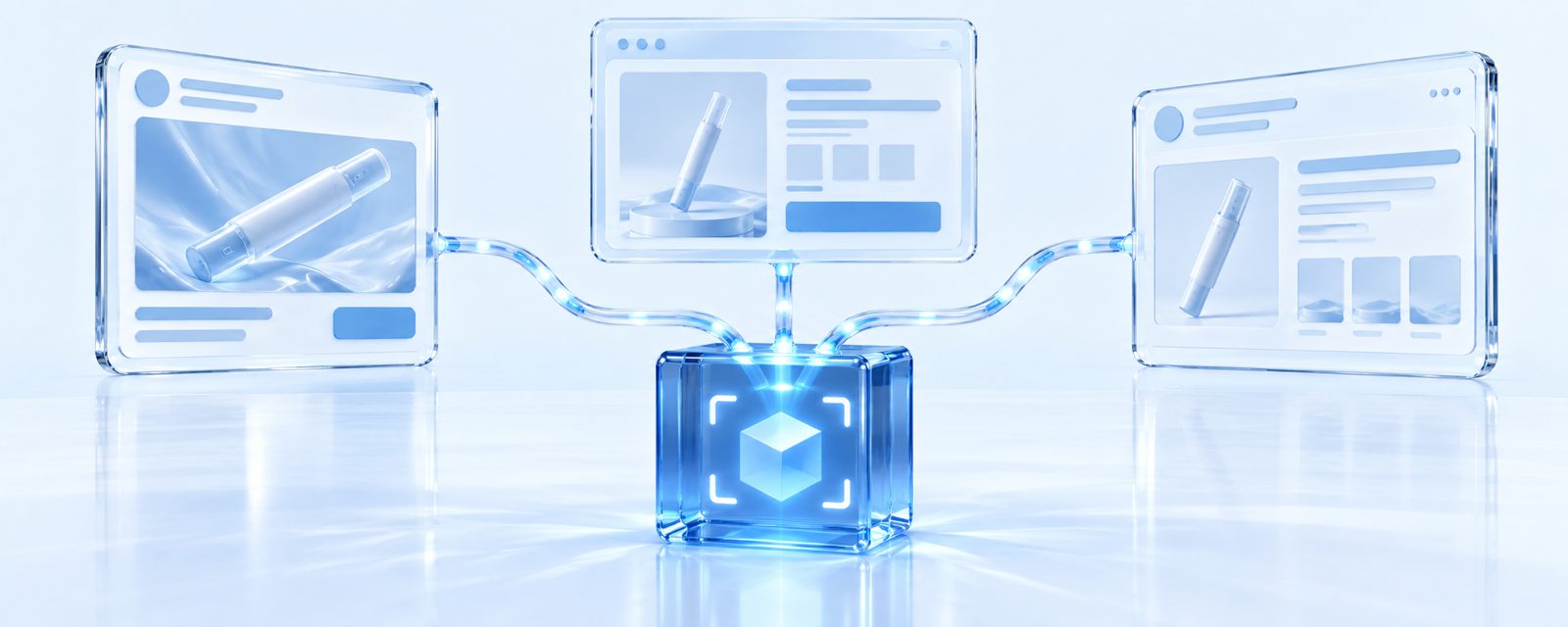
This isn’t one bad actor running one scam. It’s three surfaces working together, each one making the next look more legitimate.
It typically starts with an ad. The Better Business Bureau and Today.com have both documented a rise in AI-generated ads using deepfake video and images of celebrities, doctors and other trusted figures to promote GLP-1-type products. These ads run on the same platforms as any legitimate paid campaign: Google Search, Facebook, Instagram.
Click through, and the ad usually lands on a storefront designed to look like a real pharmacy or the brand’s own site. This is the domain-level layer: a lookalike or phishing-style URL, built to survive a quick glance.
From there, the actual product gets sold, either through that storefront directly or through a marketplace listing or a social media seller messaging buyers privately. These listings frequently use stolen product photography and fabricated testimonials, and the products themselves range from real drugs sold through unauthorised channels to “research chemical” peptides with no verified content at all.
Each layer reinforces the one before it. The ad looks credible because it links to a storefront that looks real. The storefront looks real because it shows product photos that look identical to the genuine article. By the time a buyer is entering payment details, they’ve been walked through three separate, coordinated impersonations of a brand that had no part in any of it.
Why this is the brand’s problem, not just the patient’s
The financial and health harm in these stories falls on the person who got scammed. One case reported to the Better Business Bureau involved a consumer who paid a $32 “membership fee,” then faced repeated $670 charge attempts even after trying to cancel. Regulators have also flagged the physical risk: California Attorney General Rob Bonta, as part of a 38-state coalition letter to the FDA in February 2025, urged faster action against manufacturers of counterfeit weight-loss drugs, citing documented health harm from unverified products.
But the reputational and legal exposure lands somewhere else entirely: on the brand whose name was on the ad, the storefront, or the packaging. A search for that brand name now surfaces scam warnings, complaint threads and news coverage the brand had no hand in creating. Regulatory attention is increasingly framing this as a counterfeit supply-chain enforcement issue, not purely a consumer-education one, which means the brand’s exposure isn’t just reputational anymore.
Manual review can’t keep pace with this. A team checking flagged ads one at a time is already behind the moment a scam network starts generating AI variants of the same ad at scale, each one slightly different, each one needing its own review.
What detection actually needs to catch
Because the scam network spans three surfaces, a brand only ever sees part of the picture if its monitoring only covers one of them.
Catching the ad itself. Fake or brand-misuse ads need to be flagged on the platforms where they actually run, Google, Facebook and Instagram, before they drive more traffic toward a fake storefront. Truviss’s Ads Scanner checks ad copy, creative and destination pages for brand-term and trademark misuse across these three channels, routing verified fake ads into a case management dashboard for the brand’s team to act on.
See how Truviss’s Ads Scanner detects brand-misuse ads on Google, Facebook and Instagram.
Explore Ads ScannerCatching the storefront. The lookalike or phishing-style domain impersonating the brand or an authorised pharmacy is the layer that makes the ad look credible in the first place. Truviss’s Domain Scanner continuously monitors for these lookalike and phishing domains, so a fake storefront gets flagged before it has time to build up the reviews and traffic that make it look legitimate.
Catching the listing. A marketplace listing selling a counterfeit product under the brand’s name needs to be checked against the brand’s actual catalogue, not just against patterns learned from other fake listings; a generated variant can dodge a pattern built from other fakes, but it can’t fabricate a real product that matches the brand’s genuine SKU data. That’s what SKU-level matching is for, and it’s the core of how Truviss’s Marketplace Scanner verifies suspected counterfeit listings.
The pattern repeats beyond GLP-1
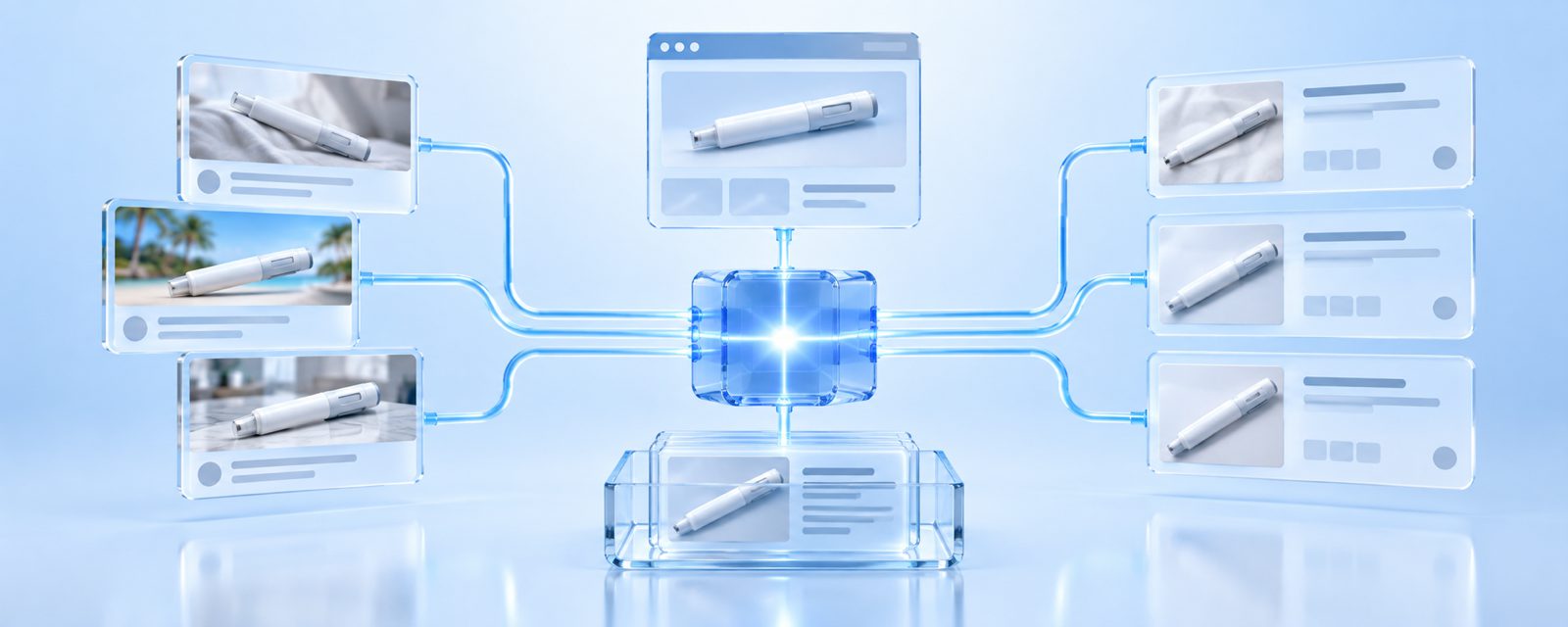
This specific version of the scam, AI-generated ads feeding fake storefronts feeding counterfeit listings, isn’t unique to weight-loss drugs. It’s a template that shows up anywhere a high-demand, high-price product creates enough incentive for brand impersonation to pay off. Treating an incident like this as three separate problems, an ad issue here, a domain issue there, a listing issue somewhere else, means missing how each one is built to reinforce the others. A counterfeit listing rarely shows up alone; it usually has an ad and a storefront working alongside it, wearing the same brand’s name.

Mithileshkumar leads growth at Truviss, working every day to make sure the brands losing the most to counterfeits, fraud and digital impersonation are the ones who find out about a fix first. He’s spent his career believing that good marketing isn’t about noise, it’s about showing up right when someone needs the answer. Off the clock, he’s usually chasing the same instinct in something entirely unrelated to work.