Continuous marketplace and reseller monitoring flags counterfeit stock moving under your trademarks while it’s still in the supply chain, not years later in a lawsuit.
Book a demo
- Delhi High Court awarded Johnson & Johnson’s Ethicon business ₹3.34 crore (₹2.34 crore compensatory + ₹1 crore exemplary) against a Delhi distributor for counterfeit surgical devices sold under the SURGICEL, LIGACLIP and ETHICON trademarks.
- The court called counterfeiting medical devices “a grave offence that endangers the lives of people”, not merely trademark infringement.
- The counterfeits were traced back through a UAE reseller to unauthorised manufacturing in China and Turkey, caught only after a US neurosurgeon flagged a suspect device mid-operation in 2019, six years before the verdict.
- The six-year gap between incident and verdict is the core argument for continuous marketplace and reseller monitoring over relying on litigation alone.
On 11 March 2025, the Delhi High Court awarded Johnson & Johnson’s Ethicon surgical business ₹3.34 crore in damages against a New Delhi-based distributor for selling counterfeit surgical devices under J&J’s trademarks. In its judgment, the court said plainly that counterfeiting medical devices “is not merely a trademark infringement, but a grave offence that endangers the lives of people.” That line, not the damages figure, is the part worth sitting with. A court didn’t just rule on a brand dispute. It ruled on a public health risk that had already reached an operating table.
How the counterfeits were actually caught
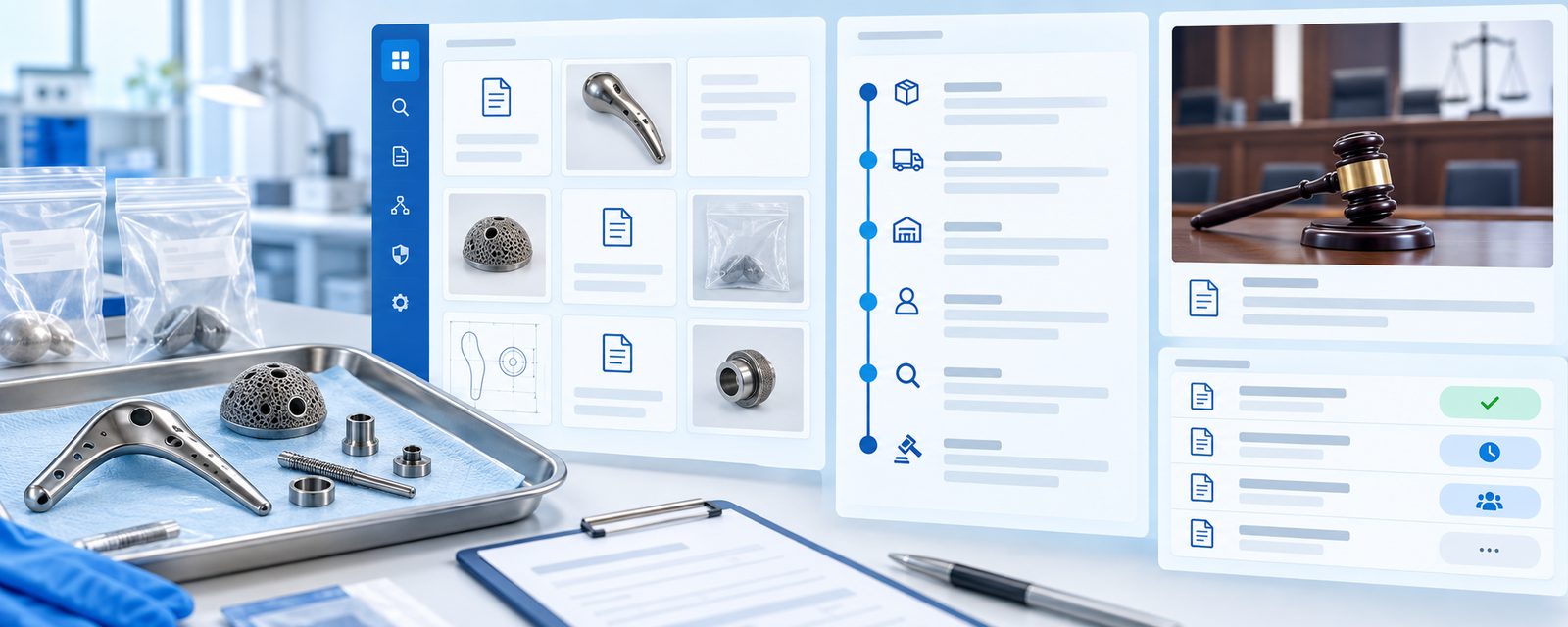
This case wasn’t caught by any brand’s monitoring system. It was caught by a neurosurgeon at the University of Kentucky, mid-operation, in 2019, six years before the judgment came down. The surgeon noticed irregularities in a surgical device bearing the SURGICEL trademark during a procedure and flagged it. That single flag set off an investigation that traced the device back through Pure Care Traders FZE, a reseller based in the UAE, to Medserve, the New Delhi distributor named in the suit, and its proprietor Pritamdas Arora. From there the trail led further back to unauthorised manufacturers in China and Turkey, who had built the counterfeit devices and had them repackaged under J&J’s SURGICEL, LIGACLIP and ETHICON trademarks before they moved through the international supply chain.
That’s worth pausing on. The detection point here was not a lab test, a customs inspection, or a brand’s own audit of its resellers. It was a surgeon, in the middle of an operation, noticing something was off about a device already in use. Every step before that point, manufacturing, repackaging, export from the UAE, import and resale in India, had gone unchecked. This is exactly the kind of blind spot a counterfeit listing represents, except surfacing through a physical supply chain and an operating room rather than an online marketplace. The public health framing in the court’s judgment isn’t rhetorical. A counterfeit surgical device reaching an operating room is the worst-case version of what counterfeit risk can mean.
The damages, broken down
The ₹3.34 crore total splits into two parts: ₹2.34 crore in compensatory damages, calculated as 25% of Medserve’s total sales revenue from the counterfeit products, and ₹1 crore in exemplary damages, alongside a permanent injunction restraining Medserve from manufacturing, distributing or selling any product bearing the SURGICEL, LIGACLIP or ETHICON marks. The distinction between the two damages components matters. Compensatory damages aim to make J&J whole for what it actually lost. Exemplary damages exist for a different reason entirely: to punish conduct severe enough that compensation alone wouldn’t deter it, and to signal to anyone else running a similar operation that the cost of getting caught is designed to outweigh the profit of not getting caught.
See how Truviss’s continuous marketplace and reseller monitoring flags counterfeit stock moving under your trademarks, across 150+ marketplaces, before it reaches a customer.
Explore Marketplace Scanner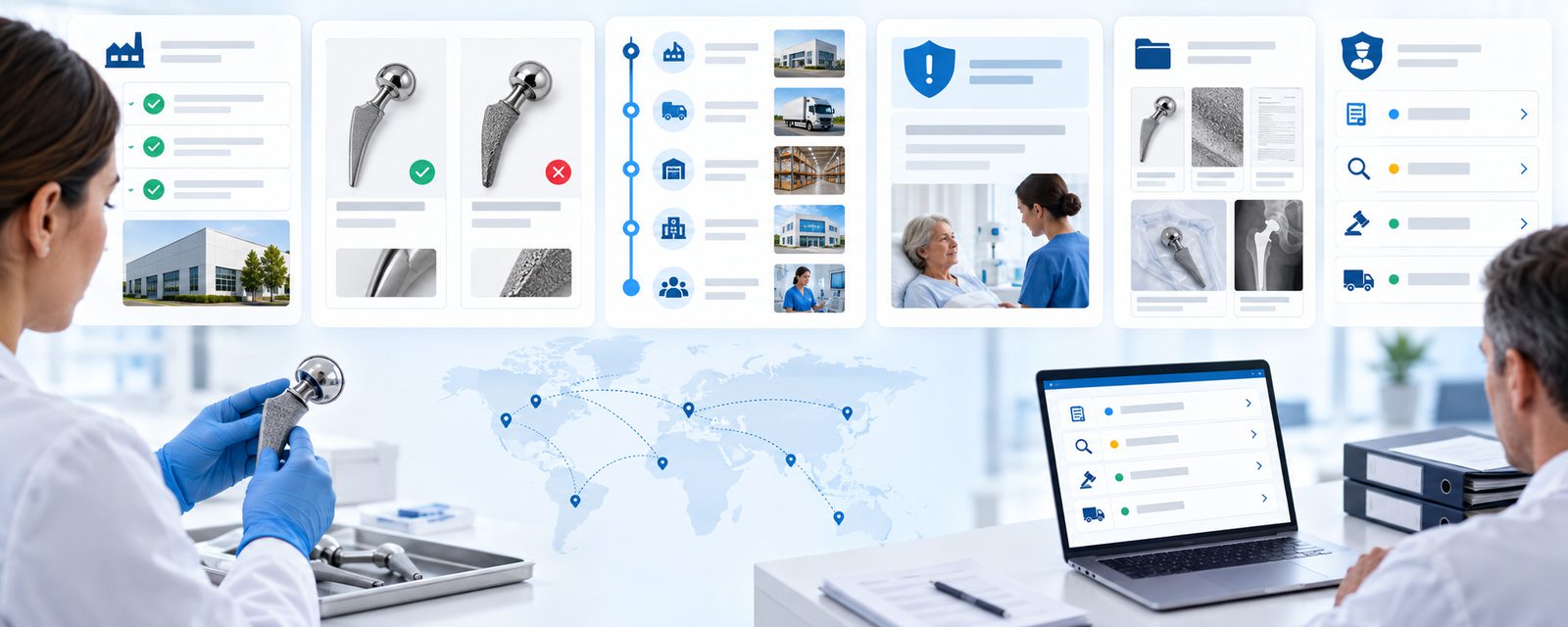
Why medical devices are a distinct counterfeit risk category
Counterfeiting shows up across categories Truviss covers regularly, fashion, cosmetics, electronics, each with its own risk profile. Medical devices sit apart from all of them for one structural reason: there is no safety margin and no consumer choice at the point of use. A shopper who buys a counterfeit handbag or a fake pair of headphones at least has a chance to notice something’s wrong before real harm follows, a stitch out of place, a charger that runs hot. A patient on an operating table has none of that. They aren’t checking a label, comparing packaging, or making a purchasing decision in that moment. The device is already inside them or already in use on them, and any defect in materials, sterility or manufacturing tolerance surfaces as a medical complication, not a returned item.
This is a different failure mechanism from other physical-risk counterfeit categories. A counterfeit charger fails through basic physics: an absent or undersized isolation transformer overheats, shorts, or catches fire, and that’s true whether it happens in someone’s hand or plugged into a wall, the kind of case covered in Why Counterfeit Chargers Are a Safety Problem. A counterfeit surgical device fails through the absence of everything a certified medical device has to prove before it ever reaches a hospital: material safety testing, sterility validation, manufacturing tolerances, batch traceability. The charger case is a single-brand, single-shipment failure mode caught at a US port. The J&J case ran through a genuinely international chain, manufacturing in China and Turkey, repackaging and export through a UAE reseller, distribution into the Indian market, each link adding distance between the counterfeit’s origin and the point where it caused harm.
The six-year gap between the incident and the verdict
The counterfeit device surfaced in 2019. The judgment landed in 2025. That gap is not a footnote, it’s the central problem with relying on litigation as the primary defence against this kind of counterfeiting. A lawsuit, however decisive the outcome, only ever addresses the one distributor actually named in the suit. It does nothing to the manufacturing operations in China and Turkey that built the devices in the first place, and it does nothing about however many units moved through that same UAE-to-India channel in the years the case was working its way through court. By the time a court rules, the underlying supply chain that produced the problem is very likely still active, possibly under a different distributor’s name entirely.
Litigation is a response mechanism. It establishes precedent, it can deter future bad actors who read the judgment, and in this case it produced a clear public statement from a court that counterfeiting medical devices is a safety issue, not just an IP one. What it isn’t, and can’t be, is a prevention mechanism. It only starts once the harm has already happened and someone has already noticed.
What this means for brand and legal teams selling in India and cross-border
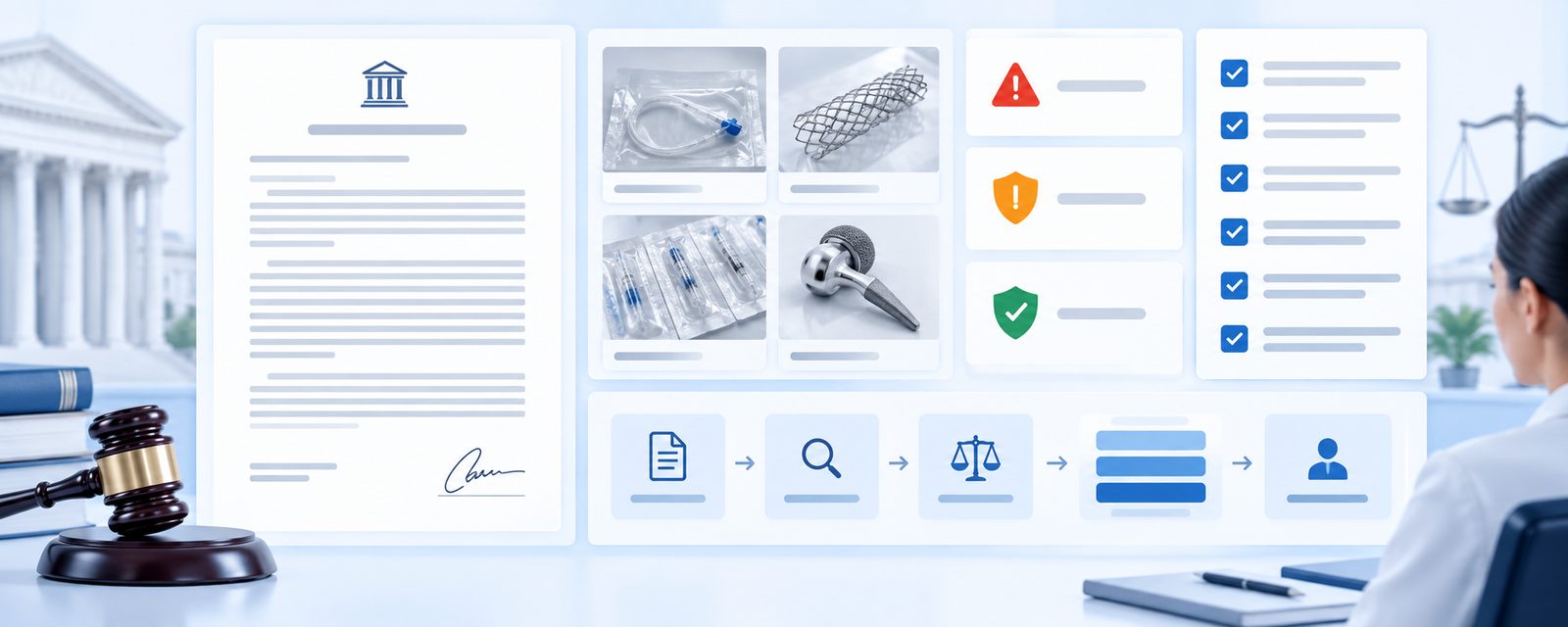
For brand managers, legal and IP leads, and e-commerce heads at companies with product lines that carry any physical safety stakes, medical devices, electronics, anything ingested or applied to the body, this case gives a sharper internal argument for monitoring budget than IP protection alone usually does. The court didn’t frame this as a trademark dispute that happened to involve health products. It framed counterfeiting medical devices as conduct that endangers lives, full stop. That’s a different conversation with a board or a legal team than “someone might be selling fakes of our product somewhere.”
The gap this case exposes is the same gap continuous marketplace and reseller monitoring is built to close: catching a counterfeit distribution channel while it’s still moving product, rather than after a surgeon has already flagged something wrong in an operating room. Truviss’s approach follows the same detect, verify, enforce sequence across 150+ marketplaces with 500+ data points checked per listing, running continuously rather than as a periodic audit, because a distributor selling counterfeit stock under a brand’s trademarks looks, on paper, exactly like a legitimate reseller until someone actually checks the product against the real one. The earlier that check happens in the chain, the fewer of these cases end with a court ruling six years after the fact, and the fewer end with a patient rather than a distributor as the one who finds out first.

Mithileshkumar leads growth at Truviss, working every day to make sure the brands losing the most to counterfeits, fraud and digital impersonation are the ones who find out about a fix first. He’s spent his career believing that good marketing isn’t about noise, it’s about showing up right when someone needs the answer. Off the clock, he’s usually chasing the same instinct in something entirely unrelated to work.