DMCA Takedown Notice: The Step-by-Step Process
- What DMCA actually covers
- Is DMCA the right tool for your situation
- Identify the infringing content
- Confirm you own the original
- Find the host’s DMCA agent
- What the notice needs to include
- Submit and follow up
- If the notice is ignored
- DMCA is US law: a jurisdiction note
- Conclusion: DMCA is one tool, not the whole toolbox
Truviss flags copied content and lookalike domains as soon as they appear, before a formal notice becomes the only option.
Explore Domain Scanner
- DMCA covers copyright, copied text, images, or design, not trademark use or brand impersonation on its own.
- The core steps: identify the infringing content, confirm you own the original, find the host’s DMCA agent, send a notice with the required elements, then follow up.
- If the host ignores it, there are further escalation options before litigation becomes necessary.
- DMCA is US law, so it works differently, or not at all, depending on where the infringing site is actually hosted.
A DMCA takedown notice is one of the most reached-for tools when a brand finds a website copying its content, and one of the most misapplied. It’s a copyright mechanism, built for one specific problem: someone hosting your copyrighted material without permission. It’s one form of a broader takedown request, and if your actual problem is a lookalike domain using your name, that’s a different fight, this guide flags exactly where that line sits.
What DMCA actually covers
The Digital Millennium Copyright Act gives copyright holders a way to ask a host to remove infringing material without going to court first. It applies to copied text, images, video, software, and design elements you own the copyright to. It does not, on its own, cover someone using your trademark, your brand name, or a domain that merely looks like yours; that’s trademark or impersonation territory, not copyright.
Is DMCA the right tool for your situation
If a site copied your product photography, your written descriptions, or your page layout wholesale, DMCA fits. If a site is impersonating your brand without copying your specific content, a domain dispute or a hosting abuse report is usually the better route; see our comparison of DMCA, cease-and-desist, and trademark complaints to work out which applies to your case.
Identify the infringing content
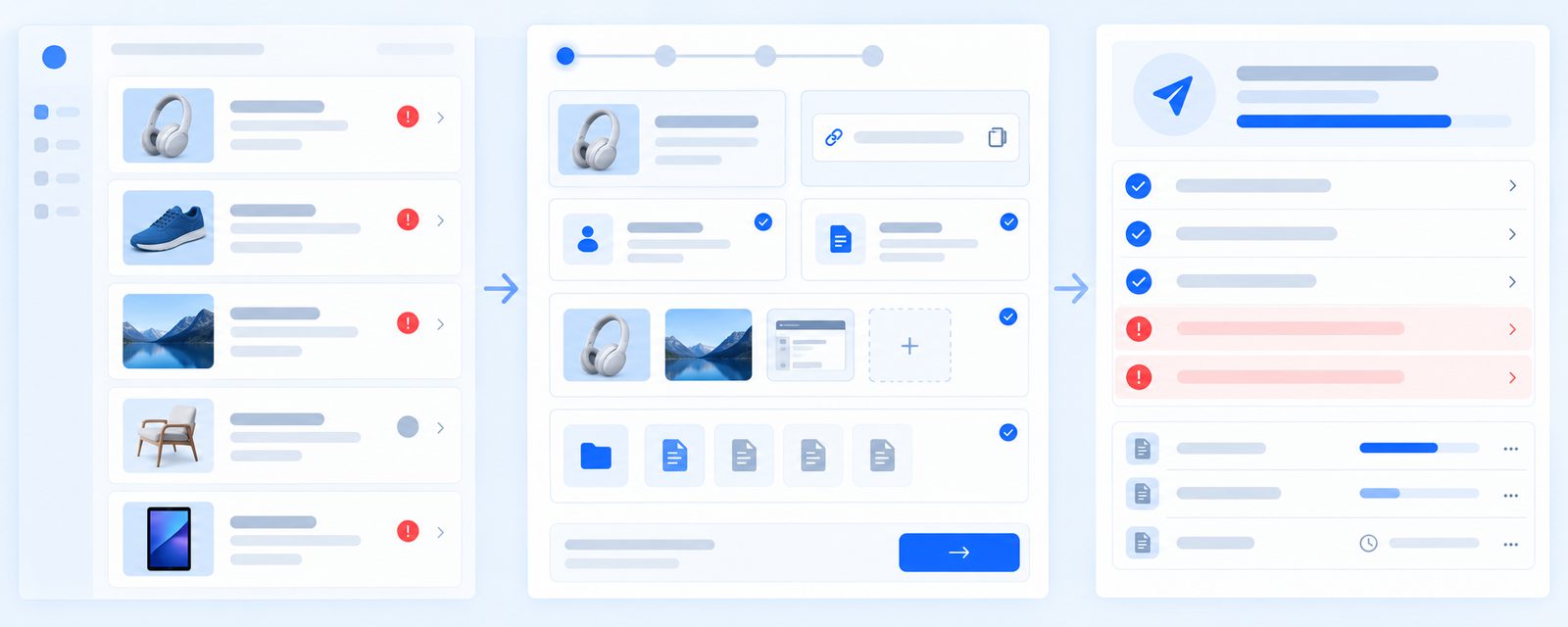
Record the exact URL of the infringing material and, separately, the URL of your original. Be specific: a whole page copied is different from a single copied image, and the notice needs to name precisely what was taken.
Confirm you own the original
Note where and when your original content was first published. A dated, publicly accessible original, your own site, your own upload history, is the simplest evidence of ownership a host will accept.
Find the host’s DMCA agent
Every US-based host is required to register a designated DMCA agent. Start with the site’s own footer or a search for the domain plus “DMCA”, then use a WHOIS and hosting lookup to find the actual hosting provider if the site doesn’t list one directly. Larger hosts publish a dedicated abuse or DMCA submission form.
What the notice needs to include
A valid notice identifies the infringing URL, identifies your original work, includes your contact details, and includes a good-faith statement that the use isn’t authorised, along with a statement made under penalty of perjury that the information is accurate and that you’re the rights holder or authorised to act for them. Missing any of these is the most common reason a host rejects a notice outright.
Filing one notice by hand is manageable; filing the same notice again for the next five clones of the same site is where most teams fall behind, which is the gap Truviss’s continuous domain monitoring is built to close.
Submit and follow up
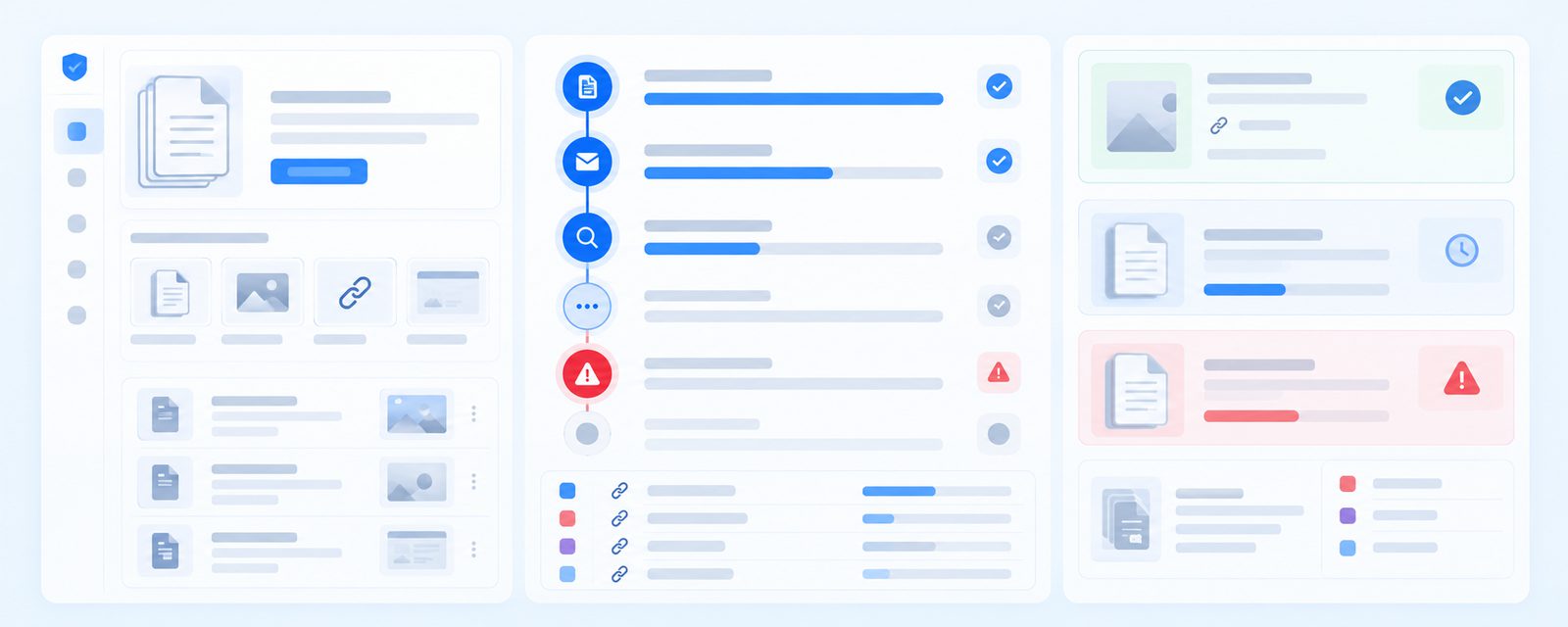
Most hosts accept notices by email or a web form addressed to their designated agent. Give it a few business days, then follow up directly if you’ve heard nothing; hosts process a high volume of these and a quiet follow-up often moves things along faster than a second identical notice.
If the notice is ignored
Confirm your notice actually included every required element before assuming the host is simply refusing to act, an incomplete notice is the most common silent failure. If it was complete and the host still hasn’t responded, our guide to a DMCA notice that isn’t working covers the next escalation steps, including when it’s time to involve a copyright attorney.
DMCA is US law: a jurisdiction note
DMCA safe-harbour obligations apply to hosts subject to US law. A host based outside the US may still honour a DMCA-style notice voluntarily, many do, but it isn’t legally required to, and your fastest route in that case is often the host’s own local abuse or copyright process rather than a DMCA notice specifically. Check where the site is actually hosted before assuming DMCA applies at all.
Conclusion: DMCA is one tool, not the whole toolbox
A DMCA notice is precise and effective for exactly one problem: copied content. For everything else a copycat site does, wrong domain, wrong branding, wrong storefront, you need a different lever. Truviss is Acviss’s online brand protection solution, built to flag which lever fits before your team has to work that out manually for every new site. Book a demo to see how it maps to your existing enforcement process.

Mithileshkumar leads growth at Truviss, working every day to make sure the brands losing the most to counterfeits, fraud and digital impersonation are the ones who find out about a fix first. He’s spent his career believing that good marketing isn’t about noise, it’s about showing up right when someone needs the answer. Off the clock, he’s usually chasing the same instinct in something entirely unrelated to work.